
How to Understand AI Replacing Painting?: The Gap Between Technology and Culture Through the Lens of Cultural Lag
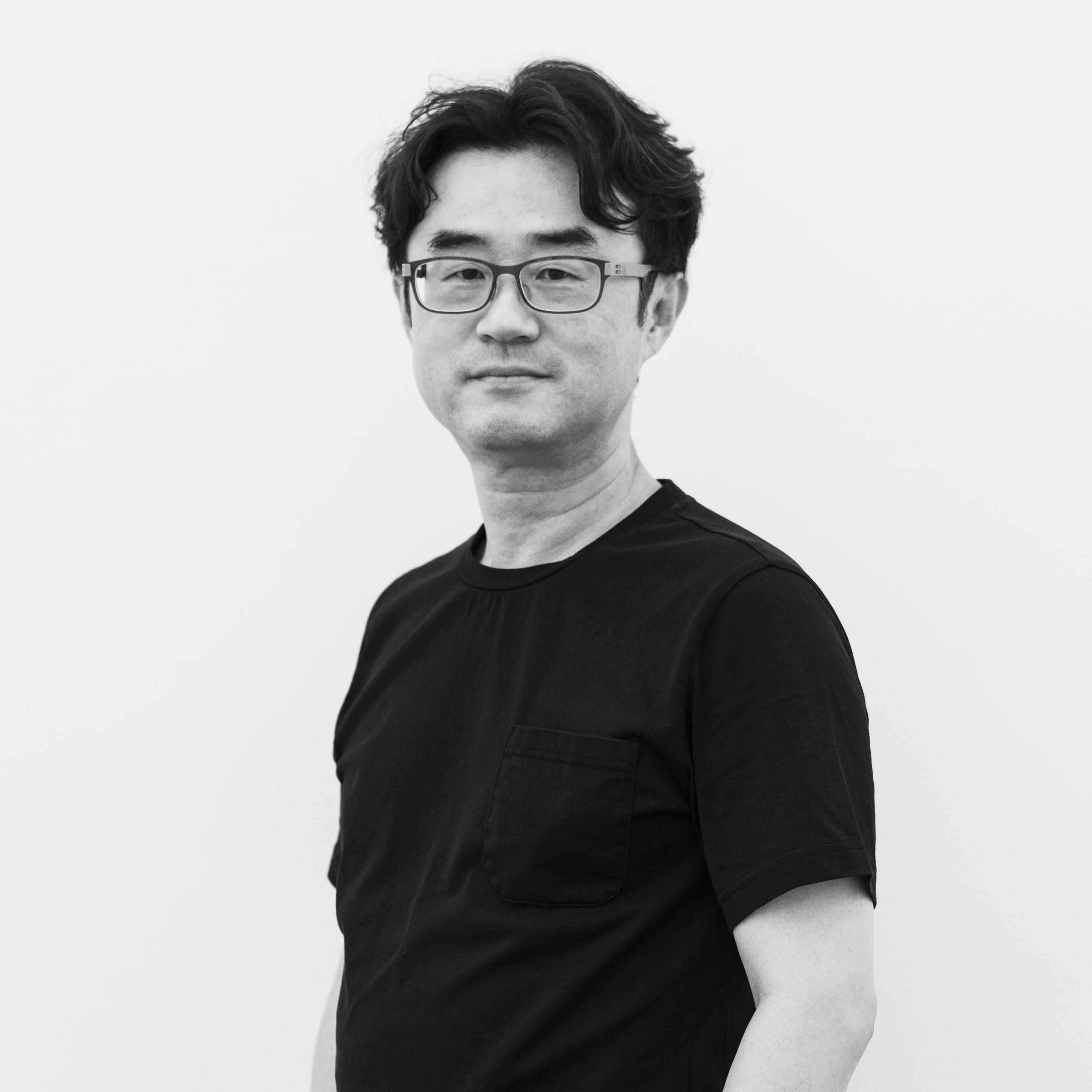
Janguk Lee
| Research Fellow, Contemporary Art Research Center, CAFA Art Museum, Central Academy of Fine Arts (CAFA) | China
As we enter the twenty-first-century "AI era," I hope that the question of whether "AI will replace painting" can once again become an occasion through the lens of 'the gap between technology and culture' and 'cultural lag', to reflect on art, technology, and culture. I believe we need to create new cultural codes suited to the age ahead.
And that, in order to live as artists in the era of the Fourth Industrial Revolution, there is something more important than mastering computer languages such as coding and algorithms. What matters is that we should not treat the artistic methods we have practiced until now as things to be discarded. Rather than creating entirely new forms, what is needed is to identify, within existing modes—painting, sculpture, media, and the many other genres of art—what can be connected with, linked to, and integrated with digital technologies. In other words, one must understand art in order to truly understand the Fourth Industrial Revolution. This does not mean that art must actively embrace new digital technologies; rather, it means reading the spirit of the Fourth Industrial Revolution and discovering the artistic meanings that correspond to it.
At present, we are also living in an age overflowing with AI-related information. Yet too much information can, in effect, be no different from having none at all. When the amount of information stays within what an individual can process and absorb, it can show us where to go. However, once it exceeds that capacity, it becomes difficult to know where to focus. In a situation of such information overload, a platform capable of bringing it all together is urgently needed. I hope that this year's '2026 International AIIF Conference' will serve as a turning point for us to reconsider this question anew.
Janguk Lee, by the experience as a curator in Beijing 798 Space and as a deputy director of KCCA(Kylin Center of Contemporary Art) since 2014. Currently, working as a research fellow at The Central Academy of Fine Arts Museum Contemporary Art Research Center, holding various exhibitions active in biennials and international events as an art critic and curator, also actively engaged as panel member and academic committee.
Introducing and managing artists such as Song Dong, Xu Bing, Yan Lei, Tan Ping, Ma Shuqing, Chen Wenji, Hong Hao, Liu Jianhua, Zhu Jinshi, Aida Makoto, Meiro Koizumi, Shinji Omaki, Lee Yongbaek, Jung Yeondoo, Jun Sojung, Ho Tzu Nyen, Sherman Ong, and others to the major biennials and important international exhibitions.







27th Advanced Imaging International Festival
© 2026 AIIF, Chung-Ang University. Homepage draft.