
Rethinking Creative AI: Data, Discovery, and Human Creative Practice
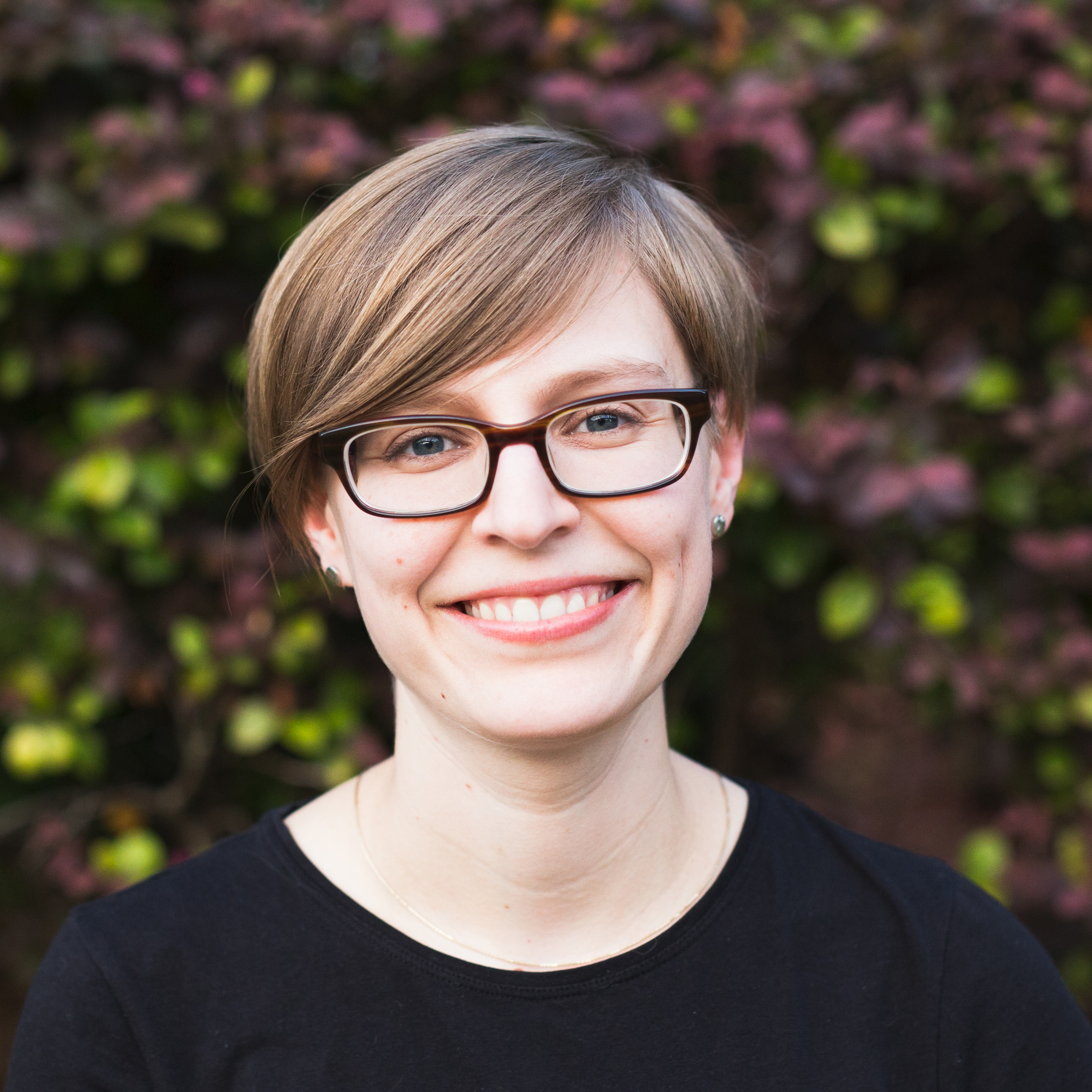
Rebecca Fiebrink
| Professor of Creative Computing, UAL Creative Computing Institute | United Kingdom
For more than two decades, my research has explored how machine learning can support human creativity in music, art, and design. Working closely with musicians, artists, instrument designers, and other creative practitioners has shown me that creative uses of AI often challenge dominant assumptions about what machine learning is for and how it should be evaluated. Rather than focusing on automation or content generation, creative practice highlights AI's potential to support exploration, self-expression, reflection, and new forms of collaboration.
In this talk, I draw on examples from my own work and others' to argue for new ways of thinking about creative AI. I will describe how training data can be understood not simply as a technical resource, but as an expression of human choices, intentions, and values. I will show how working with data and machine learning models can foster embodied engagement, broaden participation in creative technologies, and enable new artistic practices.
These examples suggest alternative ways of thinking about AI in creative practice: not primarily as a means of automation, but as a catalyst for exploration, experimentation, and discovery. Ultimately, I argue that one of the most important impacts of creative AI may be its capacity not only to generate new artefacts, but also to reshape the processes through which people learn, create, and connect with one another.
Rebecca Fiebrink is Professor of Creative Computing at the Creative Computing Institute, University of the Arts London, where her research explores how machine learning and AI can support human creativity, expression, and embodied interaction. She is best known for pioneering work in interactive machine learning and for creating Wekinator, one of the first widely used tools enabling artists, musicians, designers, and educators to build their own machine learning systems through demonstration rather than programming.
Her work brings together human-computer interaction, machine learning, music technology, and creative practice, with applications ranging from digital musical instruments and accessible interfaces to creative coding, games, and digital heritage. She has also led influential efforts in machine learning education for creative practitioners, including developing the world's first online course on machine learning for artists and musicians.
Before joining UAL, she held faculty positions at Goldsmiths, University of London and Princeton University. Her research has helped shape the fields of creative AI and human-centred machine learning, and her tools and teaching are used by artists, researchers, and students worldwide.







27th Advanced Imaging International Festival
© 2026 AIIF, Chung-Ang University. Homepage draft.